— If We Choose It.
A major data center corridor is emerging right now, northwest of Cedar City. We are not here with all the answers — we are here with a starting point. Silicon Valley didn't happen by accident. We believe Iron County's future shouldn't either. Help us shape what that future looks like.
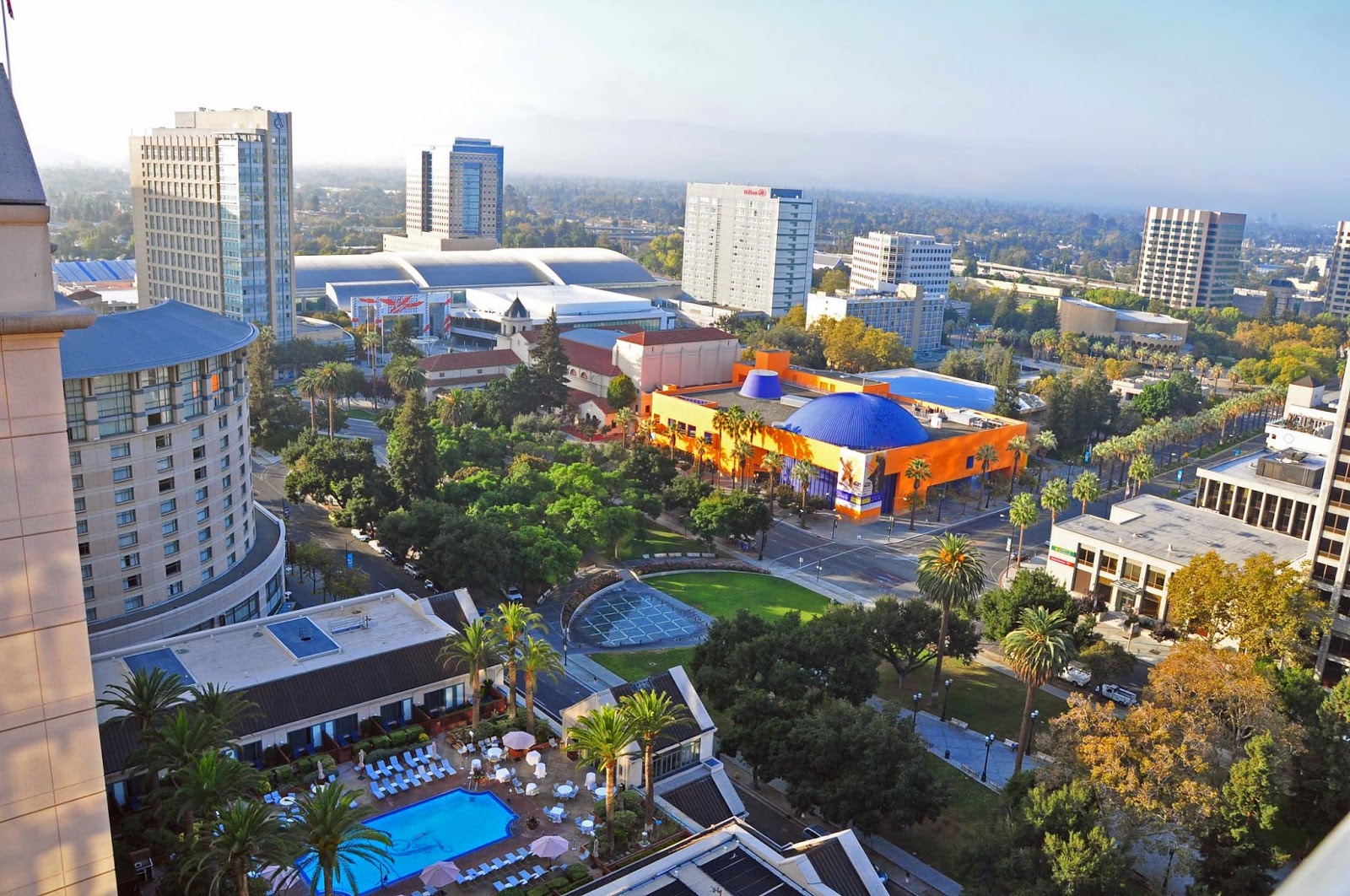
Silicon Valley started as farmland and one good university — Stanford. What transformed it was a concentration of technology investment around an institution that produced companies, talent, tax revenue, and one of the highest qualities of life on earth.
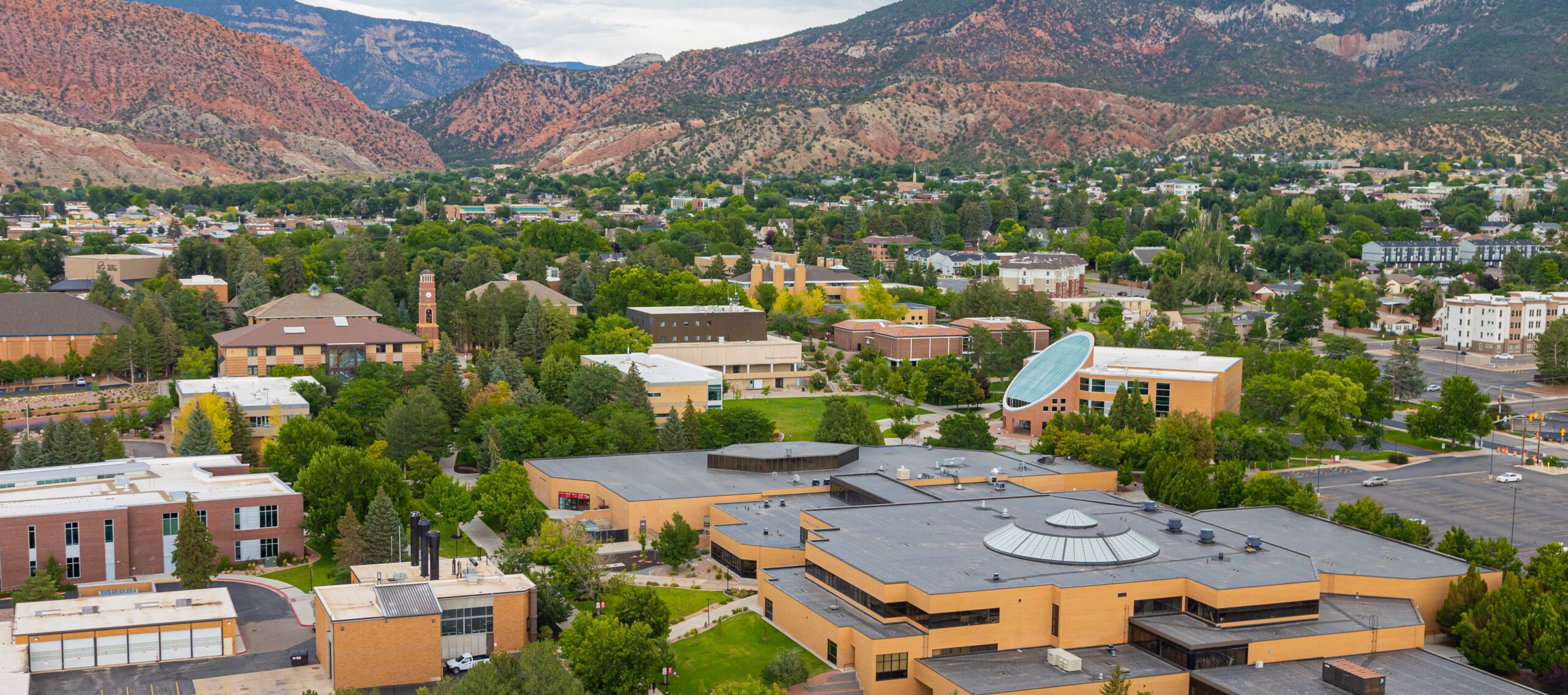
Iron County has something Silicon Valley never had — a major data center catalyst already in motion, approximately 20 miles northwest of Cedar City. If structured correctly, that revenue could fund Southern Utah University the way Stanford fueled Silicon Valley. The companies follow the infrastructure. The culture, the real estate value, and the generational wealth follow the companies. None of this is guaranteed — but the window to shape it is open right now.
We are not claiming to have a master plan. We have a case study, a starting point, and an open invitation. We would rather start an imperfect conversation now than wait for a perfect plan that never comes.
Iron County sits at the center of one of the most significant technology infrastructure developments in the United States. The projects are planned. The land is being acquired. The investment is coming. The only open question is how Iron County positions itself to benefit.
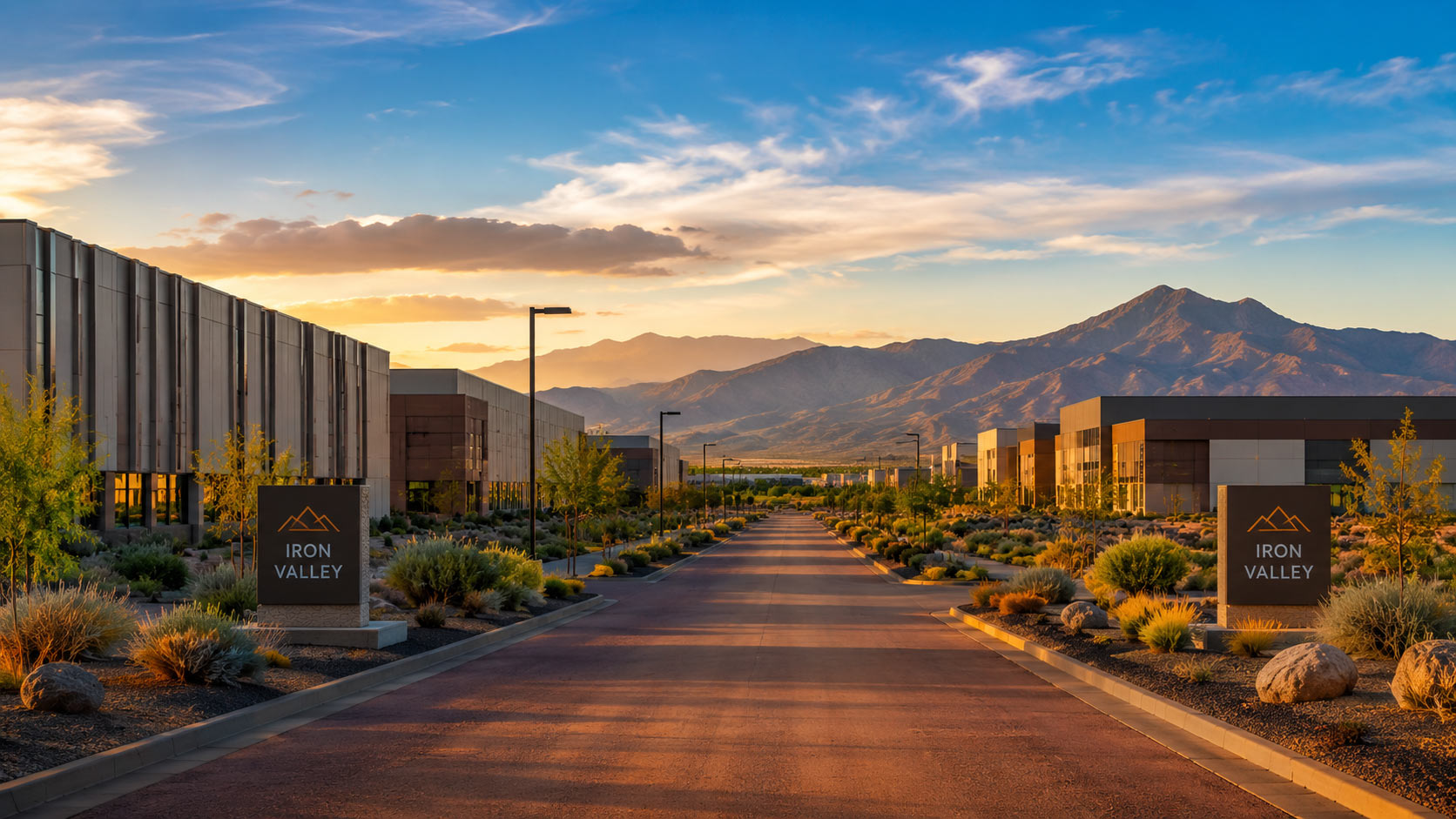
A major data center corridor is taking shape in Iron County — a development of the scale that draws Oracle, Microsoft, Amazon, and Google into conversations about the western United States' compute future.
Several projects are planned across the corridor from multiple developers. The companies that fill this capacity are the same ones that built Silicon Valley's economy — and they are actively looking for exactly what Iron County offers.
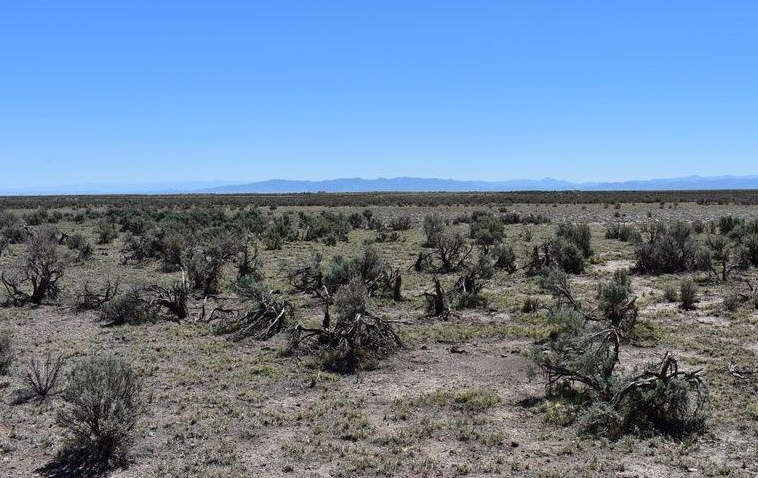
The corridor is naturally separated from residents — far enough to eliminate noise and visual concerns, close enough to generate tax revenue that funds county schools, roads, and public services for generations.
Compute power is becoming what electricity was in the 20th century. Every business that will define the next 50 years runs on it. Iron County is about to have more of it, concentrated in one corridor, than almost anywhere in the American West — and no other county can make the offer that creates.
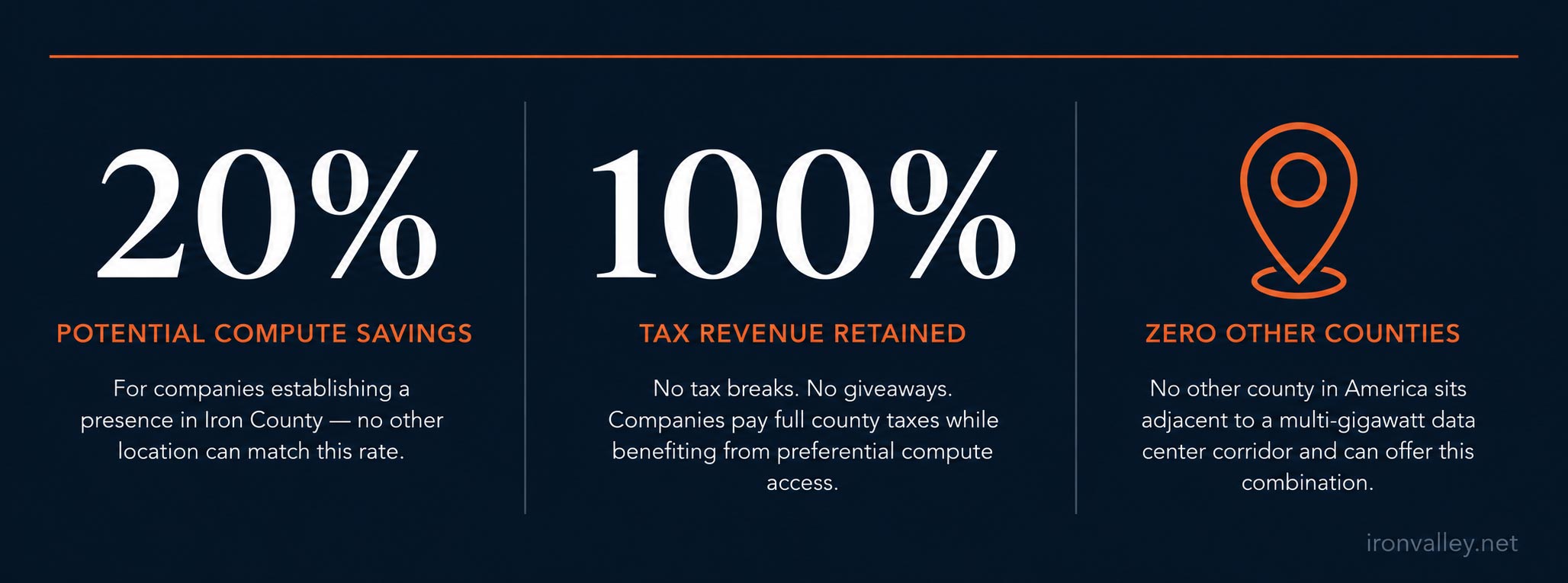
Iron County pre-negotiates compute access at preferential rates for any company that establishes a meaningful presence here. Bring your jobs and payroll — your AI infrastructure costs drop by 20% or more. The data centers fill capacity. Iron County attracts employers. Nobody gives up tax revenue. The incentive is infrastructure, not forgiven income.
Austin used tax breaks to attract Oracle, Tesla, and HP — giving up revenue to get the companies. Iron County doesn't have to make that trade. Relocating companies still pay full county taxes, employ local residents, and fund county schools and roads. Iron County gets the Austin Effect without giving away the store.
Development without standards is just sprawl. The opportunity in Iron County will either be shaped by a deliberate vision — or it will shape itself, chaotically, in ways that serve developers but not residents. The window to set the standards is now, before the first permit is signed.
Every structure, access road, signage, and perimeter in the corridor should meet a defined visual standard — consistent, intentional, and respectful of the landscape. Minimum standards that prevent the corridor from becoming visual blight on Iron County's horizon.
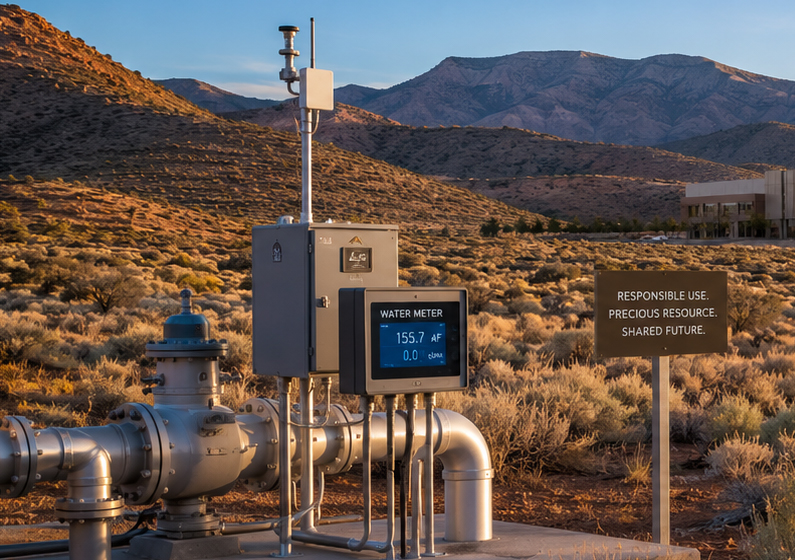
Responsible stewardship of natural resources — each project must operate within its legally acquired water rights, utilize closed-loop systems where feasible, and submit to independent metering and transparent reporting. Enforceable covenants written into agreements before ground breaks.
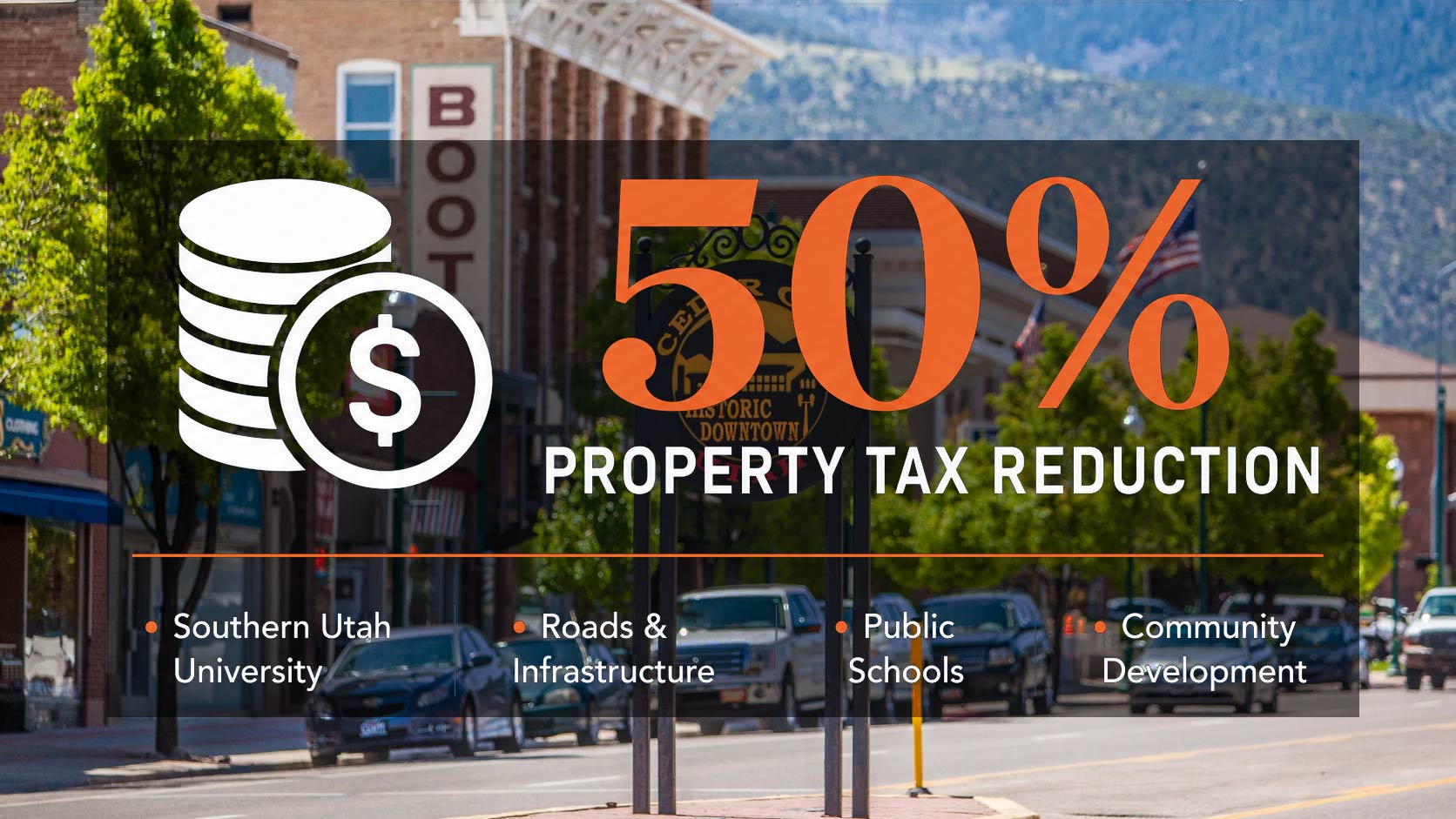
A negotiated framework directing a defined share of property tax and impact fee revenue toward Southern Utah University, county infrastructure, schools, and community development — structured before assessed values are set, not renegotiated after the leverage is gone.
Six hundred to a thousand jobs generate housing, restaurants, retail, and offices whether anyone plans for it or not. The question is whether that growth happens by accident or by design.
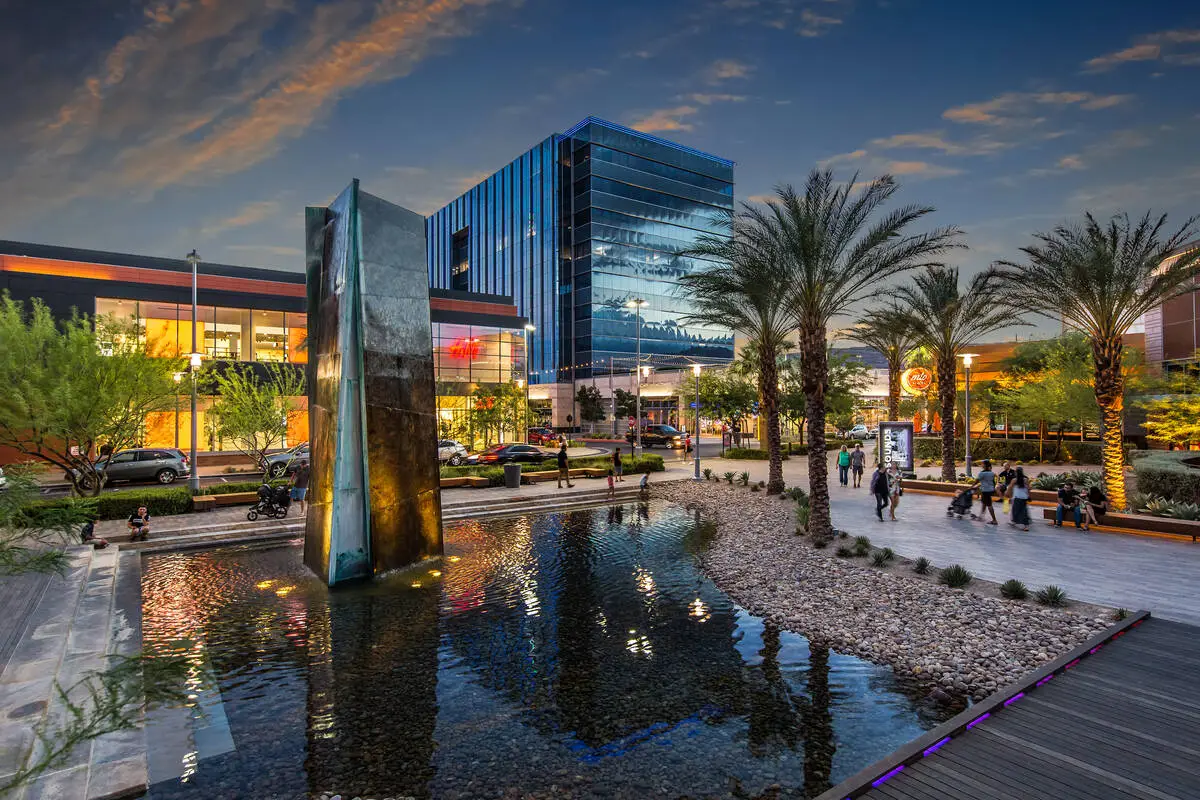
Setting covenant-driven standards now — before the first permit is signed — ensures that everything built around the corridor reflects the beauty of the Iron County landscape rather than becoming another forgettable industrial fringe. A consistent streetscape, quality design, and thoughtful common areas could transform what is today an area most Cedar City residents have never visited into a genuine destination — one that businesses considering relocation want to tour, and that local residents actually want to explore.
The standards have to come before the buildings. That window is open right now.
Every question raised about this corridor deserves a thoughtful, factual answer. Here is what we know.
Water is a legitimate concern and one this vision takes seriously. Each project should be required to operate strictly within the water rights it has legally acquired — no more, no less. Where closed-loop cooling systems are feasible, they should be utilized, and in many cases developers are already proposing them. Where other approaches are used, they must comply fully with permitted water rights and be subject to independent metering and transparent reporting.
The standard we advocate for is straightforward: acquire your water rights properly, use only what you are entitled to, implement closed-loop systems where feasible, and prove it through metering. That is a reasonable, enforceable, and technology-neutral position that protects Iron County's water resources without arbitrarily blocking responsible development.
Data centers are buildings full of computers, networking equipment, and cooling systems. There are no chemicals, no industrial byproducts, no runoff, and no emissions comparable to manufacturing or fossil fuel operations. The contamination concern is a real and valid concern for many industrial projects — it simply does not apply to this category of development.
Silicon Valley — the original — has operated data centers and technology campuses for 50 years. Its water is clean. Its soil is not contaminated by tech campuses. The environmental record of this industry, when properly regulated, is strong.
The corridor is approximately 20 miles from Cedar City and surrounding communities. At 20 miles, no data center noise is audible. Data center noise concerns are legitimate for neighbors living adjacent to facilities — not for communities separated by 20 miles of desert. The noise argument applies to the wrong project in the wrong geography.
That said, we support noise attenuation standards for the corridor regardless — because good standards protect against future development that may be closer, and because we believe in building the right way from the start.
Data centers negotiate their own industrial power contracts directly with utilities at rates completely separate from residential customers. They do not compete with homes and businesses for power — they operate on dedicated industrial supply agreements. Large industrial customers historically stabilize utility finances, which reduces pressure on residential rates over time.
The power rate concern is understandable given how utilities work, but it reflects a misunderstanding of how large industrial consumers are classified and served. Residential customers are not subsidizing data centers — it works the other way around.
This concern has it exactly backwards. Iron County estimates that the tax revenue generated by these data center projects could reduce residential property taxes by as much as 50%. Read that again — not an increase. A reduction. By half. Because data centers are among the highest assessed value per acre of any land use in existence, and that assessed value generates property tax revenue that offsets what residents currently pay.
Data centers do not fill school seats. They do not require social services. They do not strain emergency response infrastructure. They are, by almost every measure, the ideal tax base for a county — high value, low demand on public resources.
The real tax risk is the opposite of what opponents claim: if Iron County fails to negotiate strong tax agreements before development begins, the county may not capture the full value it is entitled to. That is why this vision advocates for a tax revenue framework written into development agreements now — before the leverage is gone.
This vision puts first the fourth and fifth generation ranching and farming families whose land sits directly adjacent to this corridor. These are not newcomers. These are families who have held Iron County's land for decades — some running alfalfa operations or grazing cattle, most holding largely undeveloped high desert land that almost nobody visited or paid attention to. Think of it as our Area 51. Nobody went out there for any particular reason, nothing much happened, and that was just fine. Then one day the world showed up and suddenly everyone has a very strong opinion about what should happen on land they have never set foot on. The actual landowners deserve a voice, protection, and a fair share of what is coming — and building that coalition is what this vision is working toward.
This is not a residential area — it is largely undeveloped high desert land, with some parcels used for alfalfa farming and grazing. The people with the most legitimate stake in this development are largely not the ones dominating public hearings. They are quietly watching an opportunity take shape on land their grandparents worked. This vision exists to give them a seat at the table.
Artificial intelligence is not a trend. It is already running cancer diagnostics, drug discovery, financial systems, and critical infrastructure. The compute power required to run it has to live somewhere. Counties across America are quietly deciding right now whether they will be part of that future — or watch it pass them by.
Counties that plan well stand a far better chance of attracting the companies, jobs, and investment that follow. Counties that default to opposition without a counter-vision risk watching it go somewhere more prepared.
Many residents have understandable concerns rooted in information about older industrial projects that simply does not apply to modern data center development. Those concerns deserve honest, patient answers — not dismissal. We welcome anyone willing to engage constructively and work toward standards that address legitimate worries. What moves Iron County forward is an organized, fact-based vision with covenants that hold everyone accountable.
We own land directly across from the proposed corridor. We are not a formal organization. We are landowners with a vision built around the Silicon Valley case study as a model for what Iron County can become. We speak for ourselves and are actively working to build a coalition of adjacent landowners who share that vision. The families who have held this land for generations have earned the right to decide what happens on it — and we are committed to ensuring our collective property rights are protected, respected, and never negotiated away without our full participation.
This vision extends beyond the corridor to the entire county — and most importantly to the next generation. Every year talented students graduate from Southern Utah University and leave the region because the careers they prepared for simply don't exist here yet. A well-planned corridor changes that. Technology companies that establish roots in Iron County bring the kind of high-paying careers that keep graduates home. The question we have to ask is simple: what opportunities do we leave our children if we stop this before it starts?
We are looking for landowners, business leaders, county officials, educators, and community members who believe Iron County deserves more than a data dump — and are willing to help build the alternative.
Whether you want to collaborate, contribute, or simply stay informed, reach out. Every voice that joins this conversation makes the vision more credible and harder to ignore.
Thank you. If your idea is good it may show up on this page. That is how this vision gets built.
We are not affiliated with any developer and have received no compensation, funding, or incentive from any project.
We own land directly adjacent to one of these proposed projects. That is our only personal stake.
Our goal is to work with developers who share this emerging vision — to create good outcomes for Iron County, its landowners, and all parties involved.
We are committed to protecting our own property rights and those of the generational landowners around us — ensuring that development decisions are made with an outcome that is beneficial to the county at large and also honors the property rights that our country was founded on.